



Strike at Major JBS Beef Plant Halts Operations in Colorado
Walkout hits one of the largest meat processors as U.S. cattle supply faces historic pressure
ECONOMY
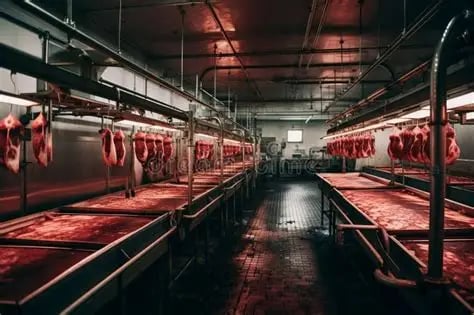
Image: Inside a meat‑processing facility during production — source: dreamstime.com
A strike at one of the largest beef processing plants in the United States has shut down operations in Colorado, raising concerns across the national beef supply chain. The facility belongs to JBS, the Brazilian multinational that leads global meat production. The walkout comes at a moment when the industry is already under historic strain.
The stoppage quickly gained national attention, given the plant’s importance to U.S. beef distribution.
A Disruption Felt Across the Industry
Jennifer Martin, a beef‑industry specialist at Colorado State University, says any disruption at a major processor like JBS sends shockwaves through the entire system.
“Anytime you see beef on a menu, the chance of it being from JBS is as big as from any other processor.”
Martin explains that the beef sector depends on a tightly connected network of ranchers, transporters, processors, and retailers.
“There’s an entire ecosystem that surrounds the beef supply chain,”
she said.
Industry Already Under Historic Stress
The strike comes as the U.S. faces the lowest cattle inventory in 75 years, driven by drought, high fuel costs, and shrinking herds.
“We are at the lowest number of cattle we’ve ever had in 75 years,”
Martin noted.
JBS says it is redirecting production to other facilities, but the ability to relocate 5,000 to 6,000 animals per day remains uncertain.
“It’s really unsure yet what level of ability they’re going to have to move all of those five to six thousand head per day,”
Martin added.
Short‑Term Stability, Long‑Term Risk
For now, Martin does not expect immediate price increases for consumers. But if the strike continues, she warns the impact will be unavoidable.
“It’s really hard to avoid impact if it continues for some time.”
With cattle supplies already tight and processing capacity stretched, industry analysts say prolonged disruptions could ripple through grocery stores, restaurants, and export markets.