



Innovative Stroke Therapy Gives Patient New Hope for Recovery
Electrical‑stimulation device helps the brain rebuild connections years after a stroke
TREATMENT
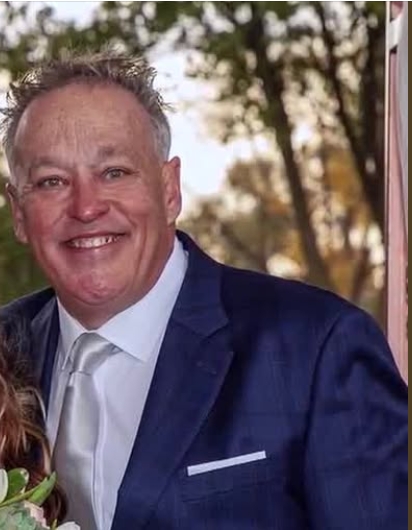
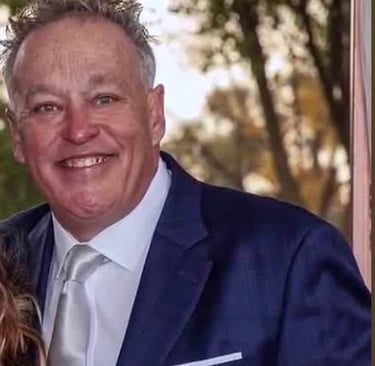
Image: Mark Wilson, first Vivistim patient in Nebraska — source: facebook.com
For Mark Wilson, the day marks a major step forward. After suffering a stroke four years ago, he is now taking part in an innovative treatment designed to help survivors regain mobility long after the initial injury. Wilson says he didn’t want to look back years from now and regret not trying a therapy that could improve his quality of life. The opportunity, he explains, left him grateful and optimistic.
Wilson first realized something was wrong when he woke up with an unusual sensation on the left side of his body. What he initially assumed was a pinched nerve or a night of sleeping in the wrong position turned out to be a stroke. Since then, he has worked to recover movement in his arm — a process that can be slow and unpredictable.
Now, he is testing Vivistim, a device that delivers electrical stimulation to the vagus nerve. The technology is designed to help the brain rebuild neural pathways that were damaged during the stroke. Therapists say the stimulation, combined with traditional rehabilitation exercises, can accelerate progress by reinforcing the brain’s ability to relearn lost movements.
Stacy Reichmuth, one of the therapists overseeing Wilson’s sessions, says the device supports the brain as it relearns how to move the affected arm. Specialists believe the combination of electrical stimulation and conventional therapy may help patients regain greater independence in daily life.
Doctors monitoring Wilson’s progress say they are encouraged by the early results. They believe the technology could represent a significant advancement for stroke survivors — and offer renewed hope for thousands of people across the country seeking a path back to a more normal life.