



‘Cuddlist’ Touch Therapy Gains Popularity in the U.S. as Loneliness Reaches Global Highs
Brazilian practitioner Ella Love becomes a leading specialist in New York, offering structured, non sexual therapeutic touch focused on comfort, consent, and emotional wellbeing
TREATMENT
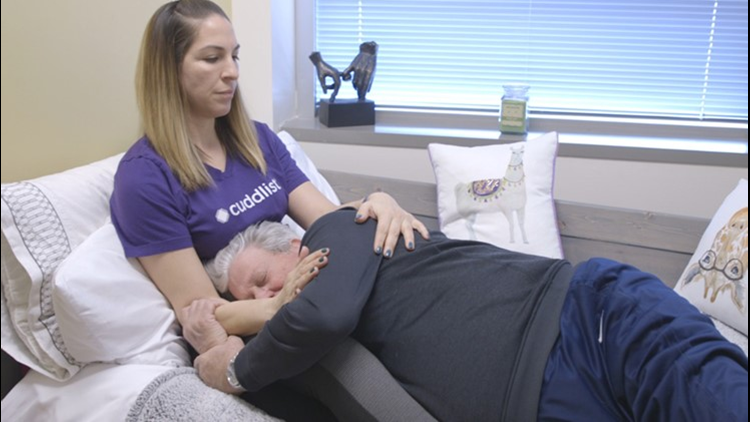
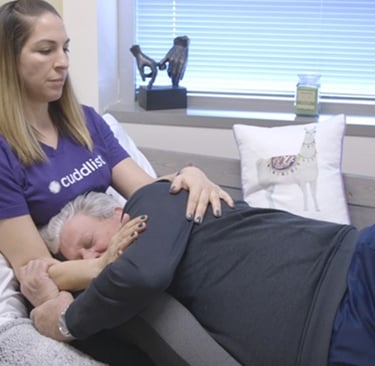
Image: Cuddlist hugging a patient. Source: WTOL.com
A growing wellness trend in the United States is drawing attention for its unusual but science‑backed approach to emotional support. Known as Cuddlist or therapeutic touch, the practice uses structured, non‑sexual physical contact to help reduce anxiety and ease feelings of loneliness — a condition now considered a global epidemic.
Brazilian practitioner Ella Love, 51, has become a reference in the field in New York, where she works with clients seeking calm, connection, and a sense of safety.
Ella conducts her sessions at home, in a space designed to feel warm and welcoming, with soft fabrics, gentle lighting, music, and aromatherapy. Before any session begins, she discusses boundaries, expectations, and consent, ensuring that every step is mutually agreed upon. From there, the interaction unfolds naturally, always respecting the client’s pace and comfort level.
Sessions aim to reduce stress, anxiety, and especially loneliness — a growing public‑health concern. According to official U.S. data, about 50% of Americans report feeling lonely on a regular basis, a trend that has intensified in recent years.
The technique traces its roots to Japan in the 1990s, when “affection‑based companionship” services emerged in response to rising social isolation. In the United States, platonic touch has evolved into a structured profession. Practitioners must complete training in consent, communication, and supportive‑care techniques, and sessions like those offered by Ella typically cost around $150 per hour.
Ella says the work blends “affection, science, and care,” offering people a safe environment to reconnect with themselves and others.
As digital life expands and social interaction becomes more fragmented, experts say the demand for structured, consensual touch therapy is likely to continue growing — not as a replacement for mental‑health care, but as a complementary tool for emotional wellbeing.