


Brazilian Study Could Change Early Detection of Stomach Cancer
Researchers find that material normally discarded during endoscopy may help identify tumors sooner
TREATMENTCANCER
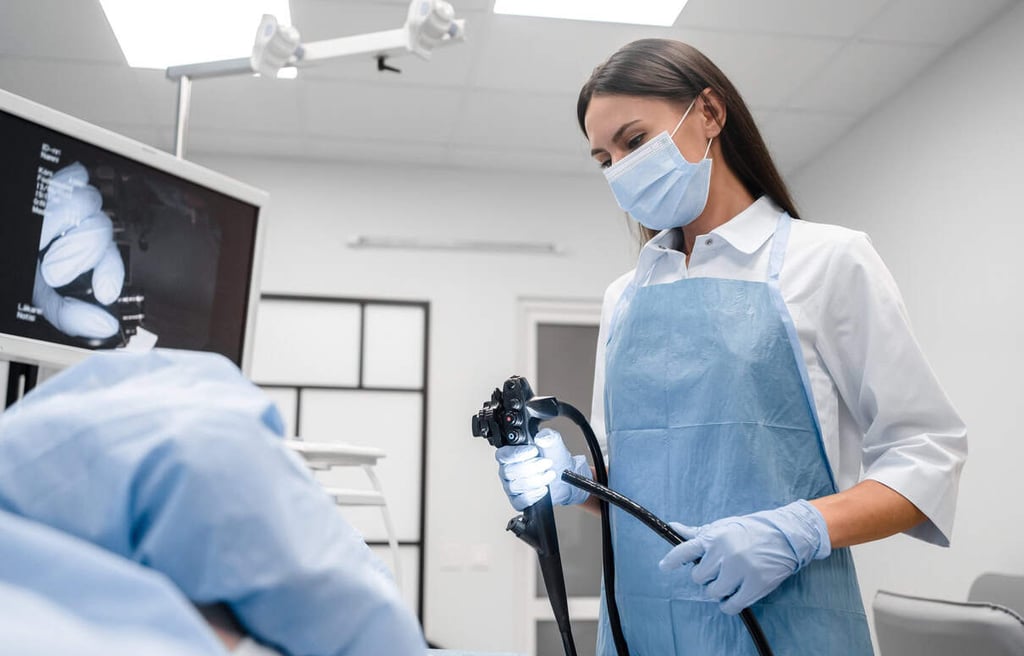
Stock photo illustrating a medical colonoscopy procedure
A Brazilian research project is gaining international attention for its potential to change how stomach cancer is diagnosed in the country. Scientists have discovered that a material routinely discarded during endoscopy may hold crucial information capable of detecting tumors earlier and making the exam more accurate.
Stomach cancer is one of the most silent and dangerous forms of the disease. It is the fifth most common cancer worldwide, with around one million new cases every year — most of them already in advanced stages by the time they are diagnosed.
Now, a new technique developed by a Brazilian researcher could offer a powerful tool for early detection. The method analyzes gastric fluid collected during endoscopy — a liquid that, until now, was simply thrown away. By examining fragments of DNA present in the fluid, the test can identify suspicious alterations, including early‑stage tumors that might not be visible during the procedure.
Dr. Felipe Coimbra, the surgical oncologist leading the study, explains that the technique does not replace a biopsy but adds an important extra layer of information. This is especially valuable in cases where cancer is difficult to detect through traditional imaging alone.
Researchers believe the method could turn endoscopy into a more complete diagnostic exam. In addition to visualizing lesions and collecting tissue samples, doctors would also have access to a simple molecular analysis using material that would otherwise be discarded.
The expectation is that the technique will help identify stomach cancer earlier, improve diagnostic accuracy, and ultimately save lives by enabling treatment before the disease progresses.